UW–Stevens Point Builds Energy Efficiency Into the Campus Culture
2026 Energy Efficiency Excellence Award
Decades of Sustainable Energy Efficiency Upgrades
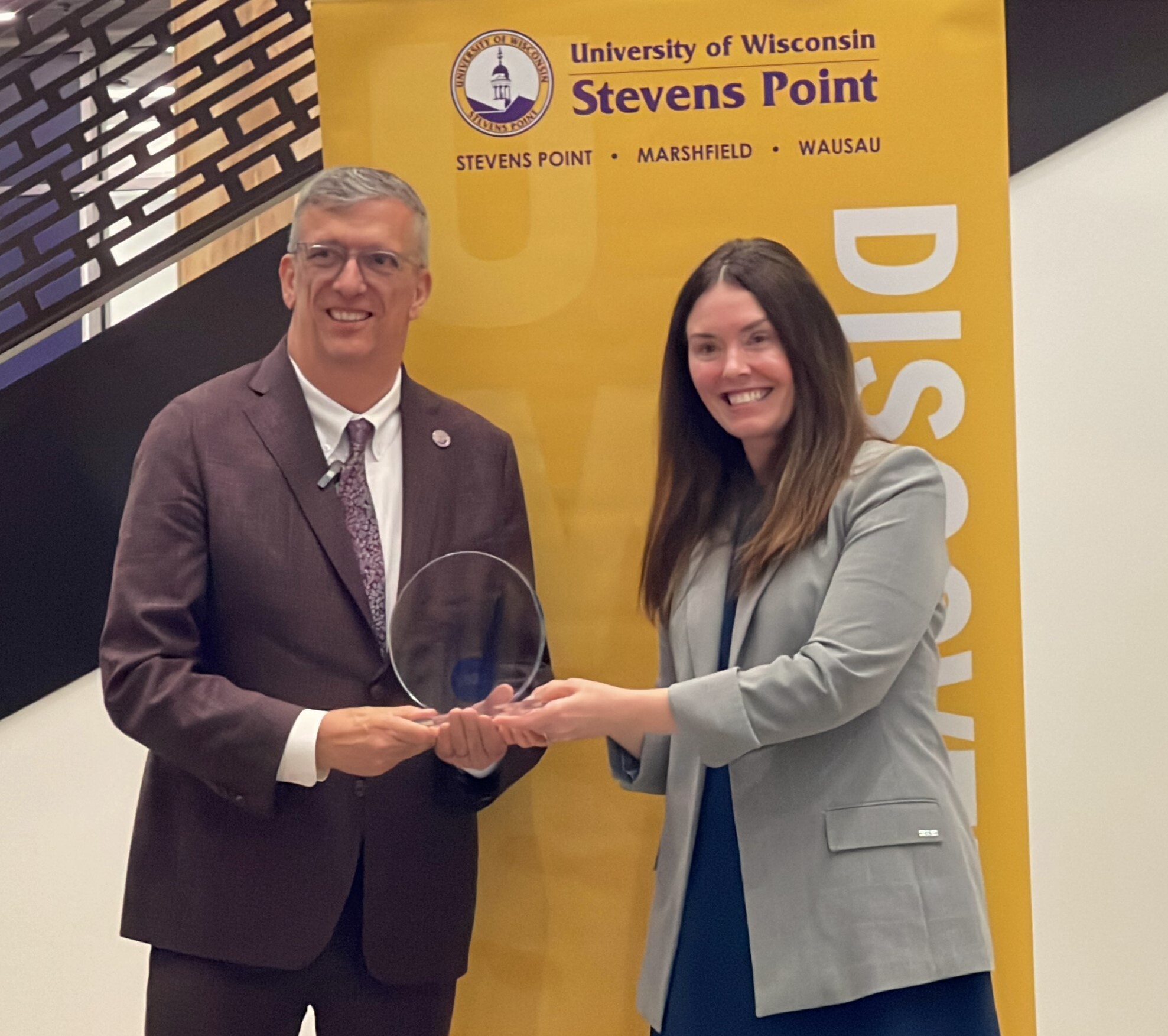
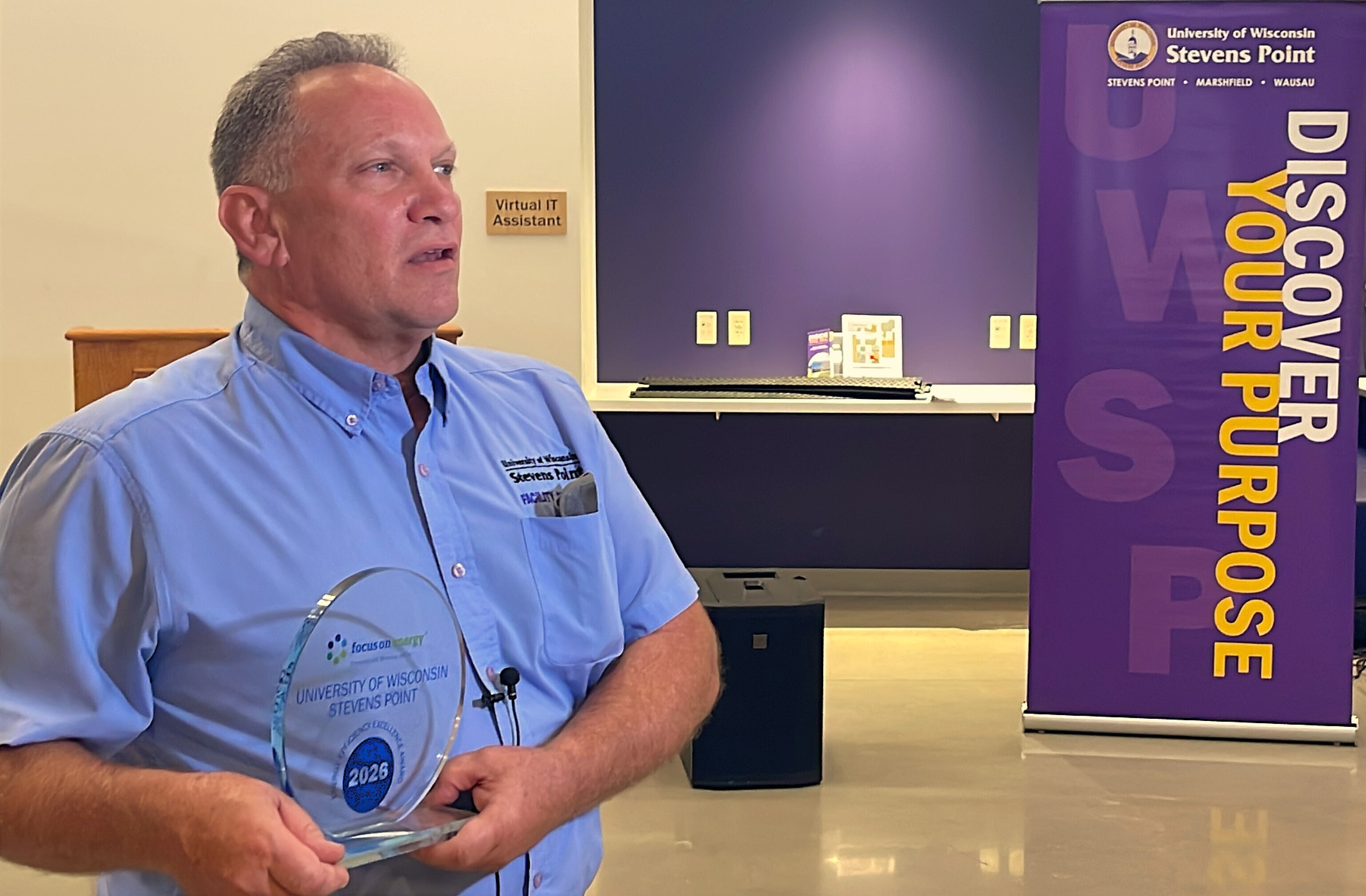
From an early LED lighting project to a new energy-efficient library, UW–Stevens Point is turning decades of sustainable practices into lasting savings for students, taxpayers and the environment. At the University of Wisconsin–Stevens Point, sustainability is more than a goal. It shapes how buildings operate, how students learn and how the university invests in its future. That commitment has made UW–Stevens Point a leader in sustainability and earned the university a 2026 Energy Efficiency Excellence Award from FOCUS ON ENERGY®.
Two Decades of Smarter Energy Choices
“Being a sustainable campus is more than just a list of achievements,” said Chancellor Robert Brinkmann. “It's an active lens in which we view every aspect of our institution.”
UW–Stevens Point's partnership with Focus on Energy began in 2006 with a project that might seem small today: replacing the warning light on the university's 90FM radio tower with LED technology. At the time, the technology was relatively new. The upgrade saved electricity while reducing the need for maintenance workers to climb the tower several times a year to replace the light. That willingness to try something different became a model for future improvements.
The university went on to upgrade lighting in its gymnasiums, improve heating plant equipment and replace outdated residence hall lighting. Through its partnership with Focus on Energy and Wisconsin Public Service, the university has continued identifying opportunities to improve efficiency while managing project costs. Since 2017, those efforts have saved more than 3 million kilowatt-hours of electricity and 456,000 therms of natural gas, while reducing peak electric demand by 656 kilowatts. Together, the energy savings are equivalent to powering approximately 616 Wisconsin homes for a year.
A New Library Puts Sustainability on Display
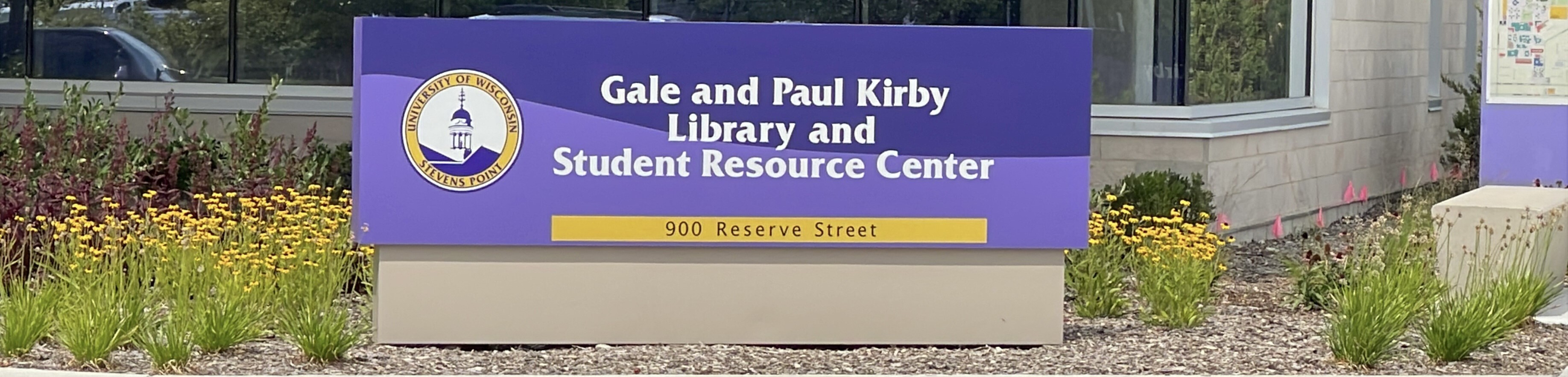
The Gale and Paul Kirby Library and Student Resource Center brings that commitment into one of the university's newest and most visible buildings. Designed around student needs, the facility combines library resources, academic support and student services with energy-efficient technology. A 213-kilowatt solar array helps power the building. Motion-sensitive LED lighting reduces electricity use in empty spaces, while large windows bring natural light into study areas. Green roofs help manage heat, and efficient heating and cooling systems support comfortable indoor conditions. The building also reflects the university's broader environmental values. Wood salvaged from campus trees was reused for the library service desk, and tiles created by students decades ago became part of the interior design.
Gretel Stock, Dean of University College, said the building was designed with students at its center. “We want to make sure that students have that capability to get the resources that they need,” Stock said. The response was immediate. More than 1,600 visitors entered the building on its first day, eager to use the new spaces.
Sustainability Beyond the Buildings
The university was Wisconsin's first system school to achieve 100% renewable electricity use through conservation, reduced consumption and renewable energy purchases. Its efforts also include campus-wide composting, solar installations, sustainable transportation and student-led environmental programs. In 2024, UW–Stevens Point earned a Gold rating for sustainability from the Association for the Advancement of Sustainability in Higher Education. The recognition reflects achievements in campus operations, academics and student involvement. The university is also developing a Climate Action and Resilience Plan to guide future improvements and advance its goal of carbon neutrality by 2050.
People Behind the Progress
While new technology makes energy savings possible, the university credits its employees, students and partners for making the improvements last. Facilities staff, sustainability specialists and Focus on Energy Advisors work together to evaluate equipment, identify savings and plan future investments.
“Every dollar not spent on wasted energy can remain available for classrooms, student services and other campus priorities,” said Public Service Commission of Wisconsin Commissioner Kristy Nieto.
For UW–Stevens Point, the Energy Efficiency Excellence Award recognizes more than two decades of steady improvements and the people who continue moving that work forward. As the university prepares future generations of Wisconsin leaders, it is also showing students what responsible energy use looks like in practice.