Before you roll your eyes at your next utility bill, take a closer look - that monthly bill shows you how you can save energy and money at home, at work, even at school! For private schools, controlling costs can start with a simple utility bill review.
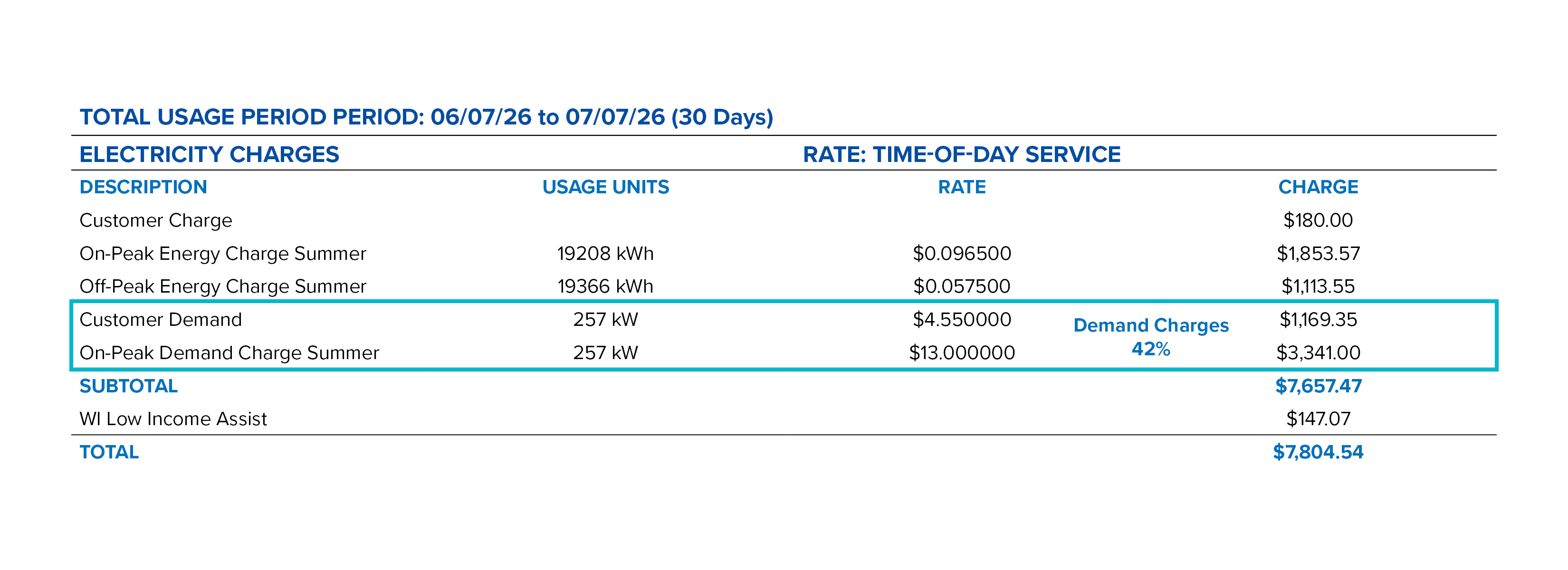
Most school utility bills include two key measurements: demand and energyconsumption. While they are related, they measure different aspects of how your school uses electricity.
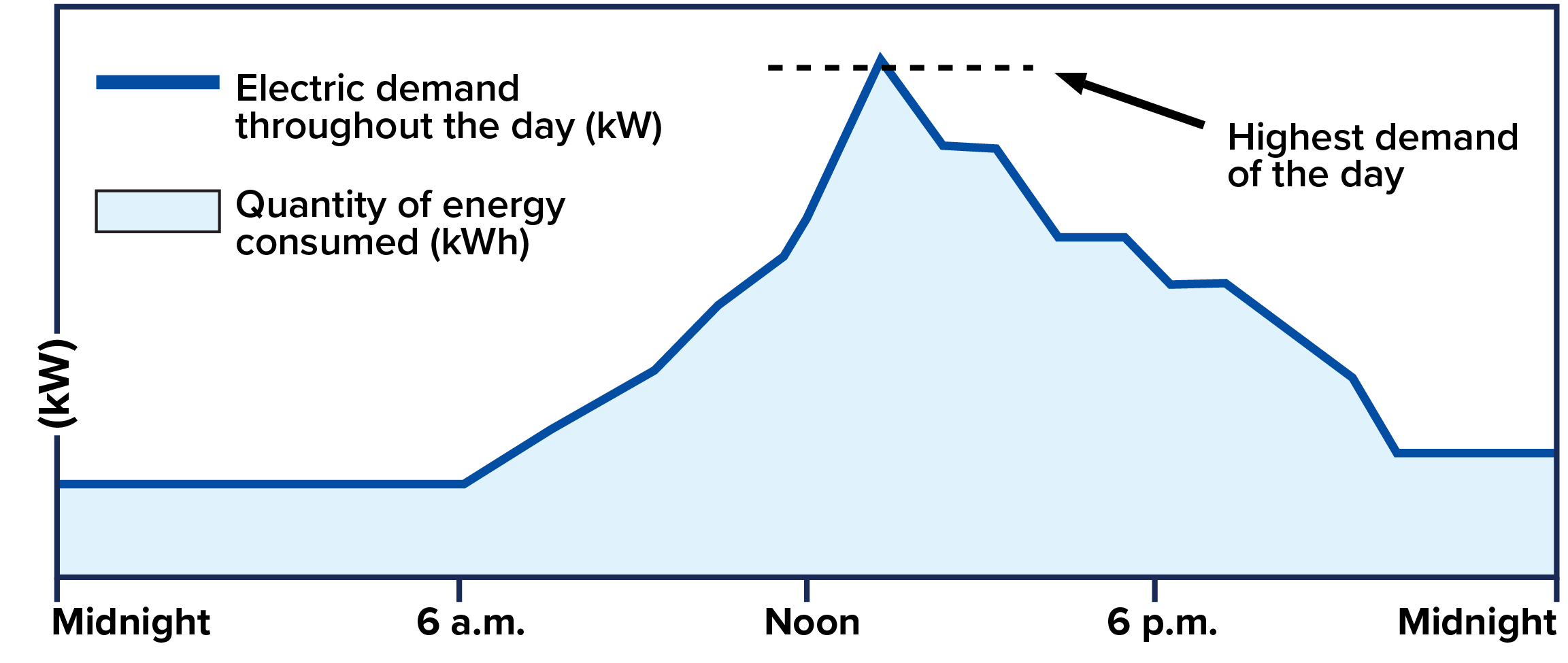
Demand (kW) measures the maximum amount of electricity used at a given moment, like a car’s accelerator determines how much power the engine uses. Pressing the pedal gradually increases speed, while "flooring it" requires a sudden burst of power. Similarly, using more equipment at the same time can create a high peak demand.
Energy consumption (kWh) measures the total amount of electricity used over time, like a car’s odometer measures the total distance traveled. Just as driving faster or longer adds more miles, using electricity at a higher rate for more hours increases energy consumption.
How kW and kWh Impact Your Bill
Most schools are billed separately for both kW and kWh. Energy consumption reflects the total electricity used throughout the month, while the demand charge is based on the highest level of electricity your facility requires during a specific time period, often a 15- or 30-minute period during the day.
At the end of the billing cycle, these charges are combined to determine your total electric cost. This means that two schools could consume the same amount of electricity over a month but have different utility costs. A school that creates large demand spikes by running multiple systems simultaneously may pay higher demand charges than a school that spreads energy use more evenly throughout the day.
Understanding both parts of your bill provides a more complete picture of how your school uses electricity and where opportunities may exist to reduce costs. For this reason, managing when and how equipment operates can be just as important as reducing overall energy use. Demand management strategies such as staggering equipment start-up times, optimizing HVAC schedules, and monitoring energy-use patterns can help reduce demand peaks while also lowering overall consumption.
The first step is understanding what your utility bill is telling you. By regularly reviewing key billing data and trends, schools can identify operational changes, equipment issues, and potential energy-saving opportunities before costs escalate.
Utility Bill Review Checklist
When reviewing your school's utility bill, look for:
Changes in the billing period that could affect month-to-month comparisons.
Unusual spikes in electrical demand.
Significant increases in energy consumption.
Seasonal changes in energy use and costs.
Differences between on-peak and off-peak usage patterns.
Increases in demand charges or total electric costs.
Trends over the past 12-24 months that may indicate changes in operations, equipment, occupancy, or building use.
Opportunities to adjust schedules, reduce peak demand, or improve efficiency.
Unexpected energy consumption patterns that may indicate equipment is running longer than necessary.
Focus on Energy provides Wisconsin private schools with resources and financial rebates to identify energy-saving opportunities and improve building performance. Schools can reach out to their Energy Advisor for help understanding their utility bills and spot common issues like those mentioned in the checklist above.
Energy is often a school’s second-biggest operating expense after staffing. By choosing sustainable best practices, private schools can reduce operating costs, extend the life of critical equipment, and create a more comfortable learning environment for students and staff.
Wee Care Child Center knows a lot about families. This family-run Waupun business has been helping the next generation of Wisconsinites for more than 35 years.
Thousands of local youth are charting brighter futures thanks to the quality care at Badgerland After School Enrichment Program (BASE) Fort Atkinson. For two decades, the nonprofit has provided supportive programs to kids after school and during summers.